فعاليات ومنتديات
غير حكومية غير ربحية مستقلة ذات نفع عام تعمل على تلبية النداء الانساني اينما طلب للمحتاجين والمتضررين في سوريا
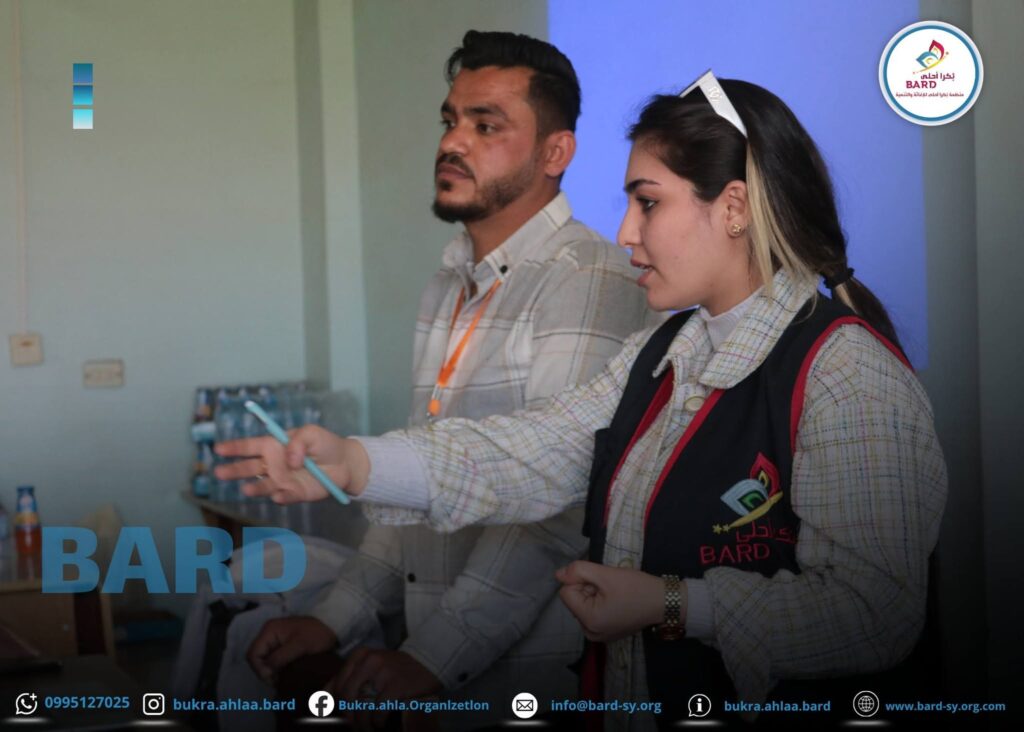
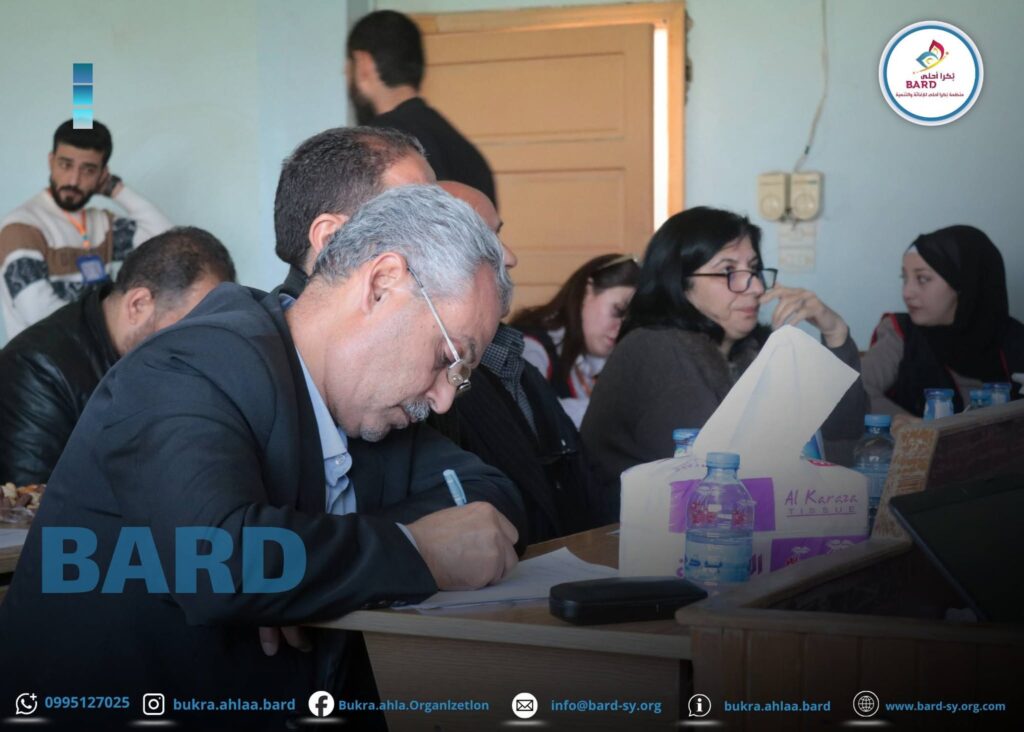
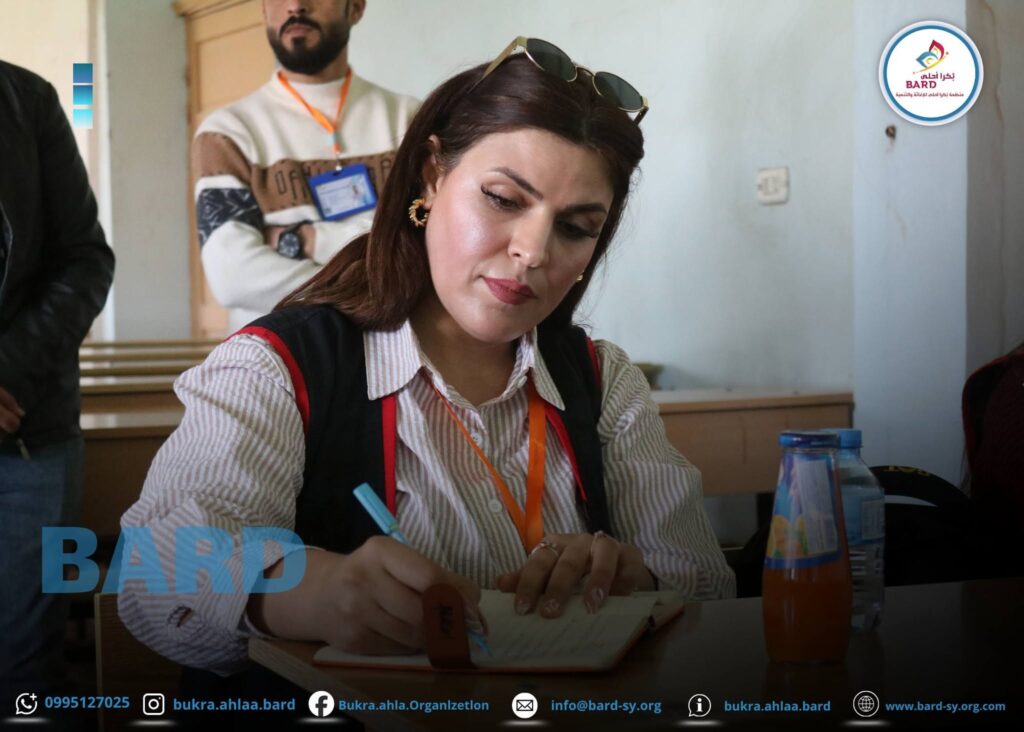
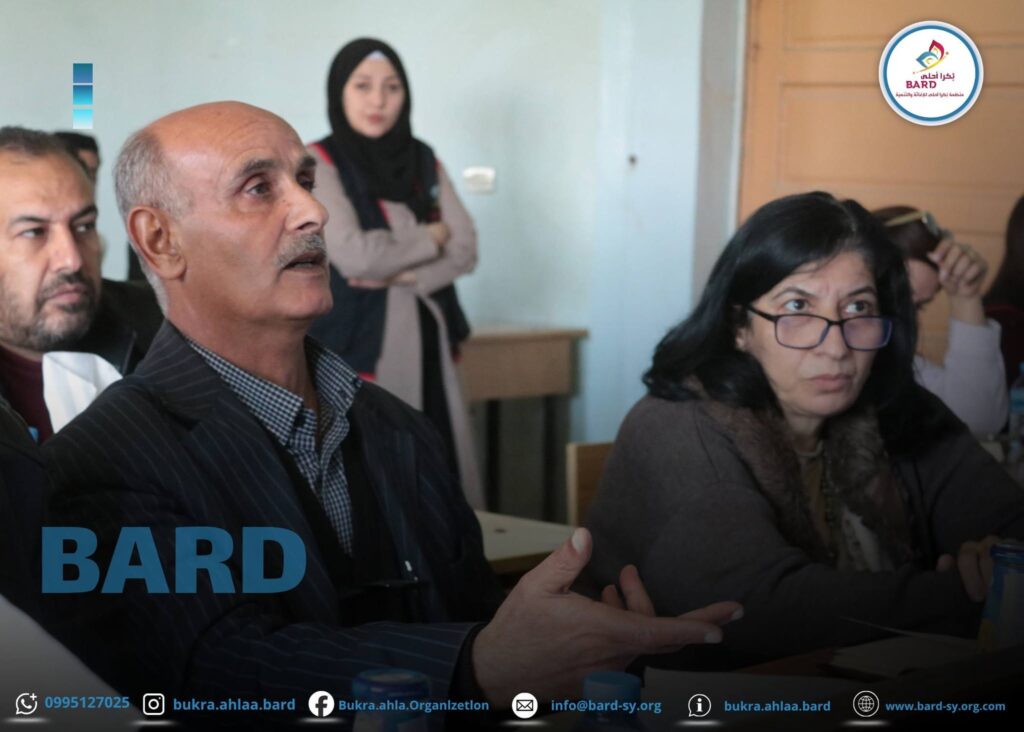
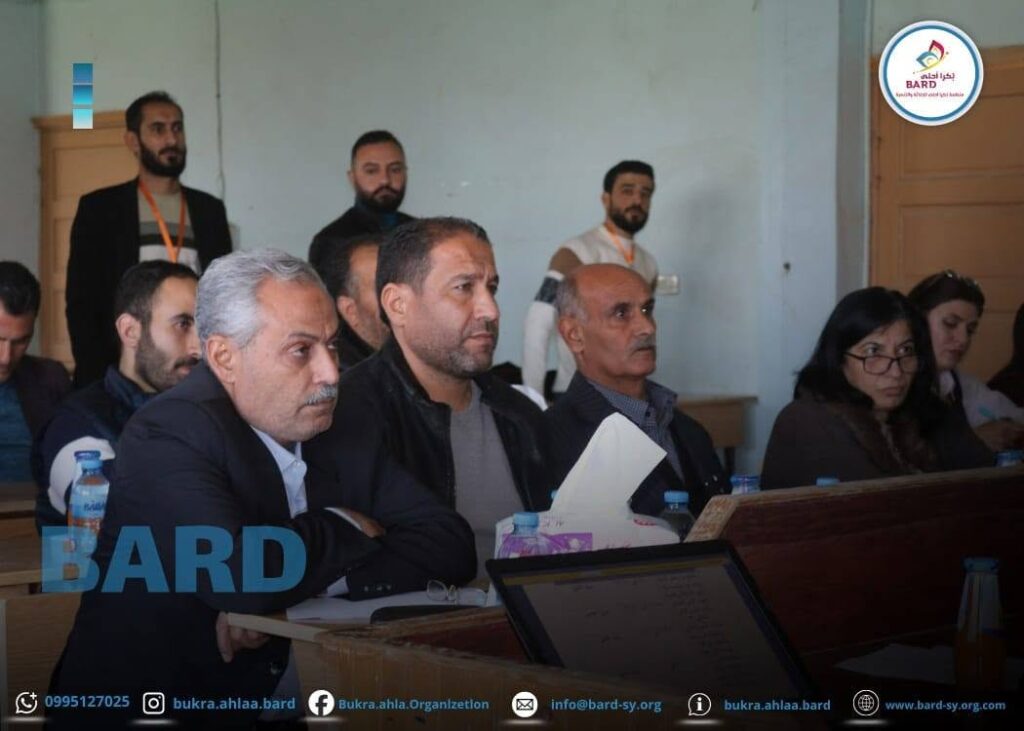
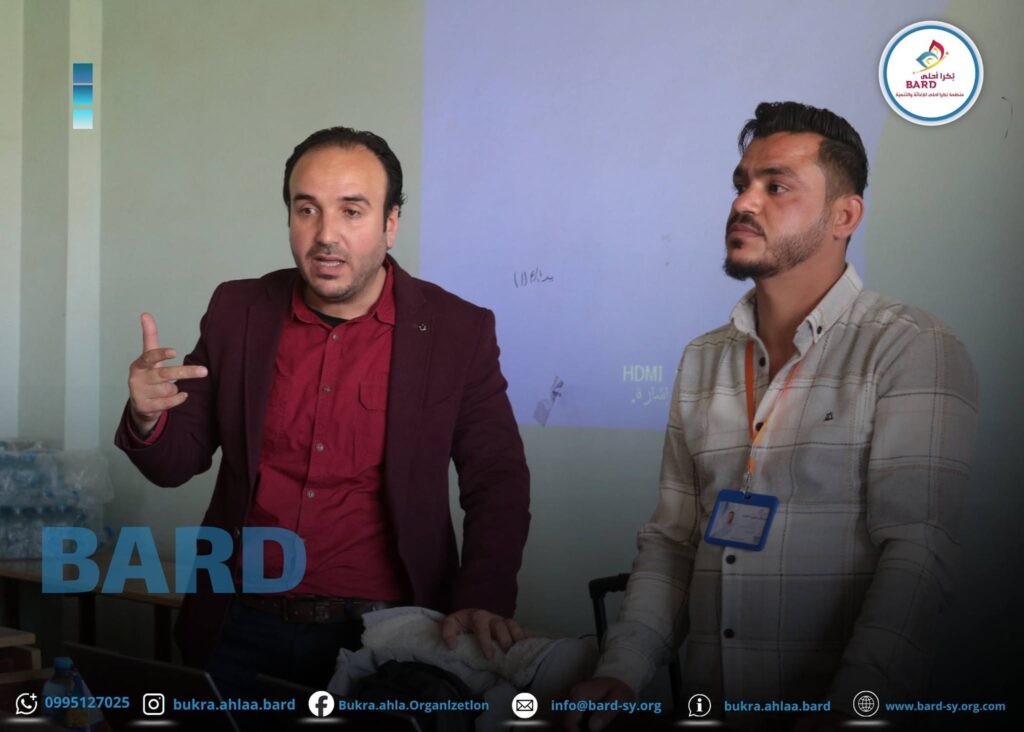
في إطار تعزيز التعاون المشترك، عقدت مؤسسة بكرا أحلى للإغاثة والتنمية (BARD) جلسة نقاشية مع كلية الهندسة الزراعية، بهدف تسليط الضوء على واقع الأمن الغذائي في محافظة الحسكة، وبحث أبرز التحديات والحلول الممكنة.
وشهدت الجلسة مشاركة الكادر التعليمي من كلية الهندسة الزراعية، ممثلين بـ الدكتور عزو النزال، والدكتور محمد فرحان، والدكتورة غالية المجيد، إلى جانب نخبة من الدكاترة والمهندسين المختصين،
حيث أسهمت مداخلاتهم العلمية في إثراء النقاش وتقديم رؤى عملية قابلة للتطبيق.
تناولت الجلسة مجموعة من المحاور المهمة، أبرزها:
• التحديات التي تواجه القطاع الزراعي، مثل نقص الموارد المائية والتغيرات المناخية
• انخفاض الإنتاج الزراعي نتيجة استخدام أصناف غير ملائمة لطبيعة التربة والمناخ
• تأثير الظروف الاقتصادية على توفر الغذاء واستقراره
كما تم التأكيد على عدد من الحلول العملية، منها:
• دعم المزارعين بالمدخلات الزراعية المناسبة
• تعزيز استخدام التقنيات الحديثة في الزراعة
• تحسين إدارة الموارد المائية
• اختيار أصناف زراعية تتناسب مع البيئة المحلية
وفي ختام الجلسة، تم التأكيد على أهمية استمرار هذا النوع من التعاون بين المؤسسات الإنسانية والأكاديمية، مع الاتفاق على العمل التشاركي المستقبلي لتنفيذ مبادرات ومشاريع مشتركة تسهم في تعزيز الأمن الغذائي وتحقيق الاستقرار في المجتمع المحلي.
As part of strengthening mutual cooperation, Bukra Ahla Foundation for Relief and Development (BARD) held a discussion session with the Faculty of Agricultural Engineering, aiming to highlight the current state of food security in Al-Hasakah Governorate and explore key challenges and possible solutions.
The session witnessed the participation of the academic staff from the Faculty of Agricultural Engineering, represented by Dr. Azzo Al-Nazzal, Dr. Mohammad Farhan, and Dr. Ghalia Al-Majid, along with a group of specialized professors and engineers. Their scientific contributions enriched the discussion and provided practical, applicable insights.
The session addressed several key topics, most notably:
• Challenges facing the agricultural sector, such as water scarcity and climate change
• Declining agricultural production due to the use of crop varieties unsuitable for local soil and climate conditions
• The impact of economic conditions on food availability and stability
Several practical solutions were also emphasized, including:
• Supporting farmers with appropriate agricultural inputs
• Promoting the use of modern agricultural technologies
• Improving water resource management
• Selecting crop varieties that are suitable for the local environment
At the conclusion of the session, the importance of continuing this type of collaboration between humanitarian and academic institutions was emphasized. An agreement was reached to pursue future joint efforts in implementing initiatives and projects that contribute to enhancing food security and achieving community stability.